
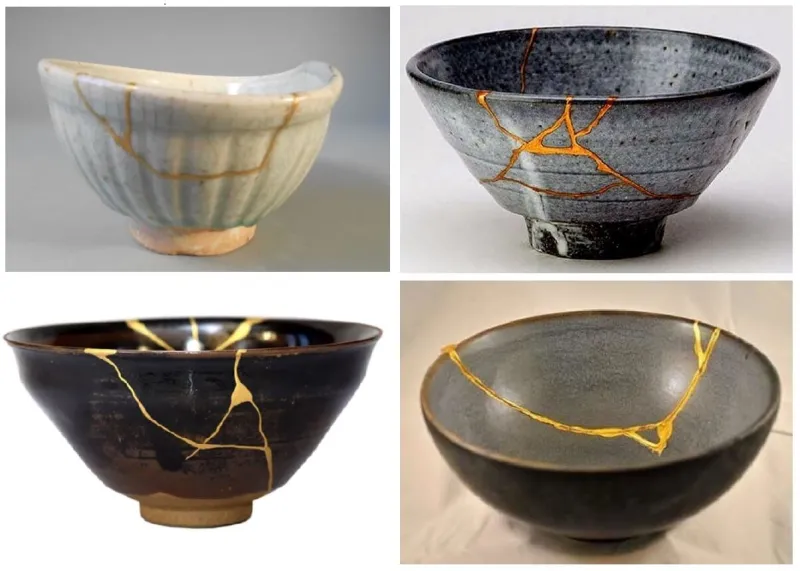
8 core Japanese aesthetic values, each deeply rooted in traditional Japanese culture and art:
- Wabi-sabi (侘寂)
- This concept embraces the beauty of imperfection, impermanence, and incompleteness, finding value in the marks of time and use on objects and spaces. It encourages an appreciation for the natural aging process and the unique character that develops over time. Beauty in imperfection, impermanence, and simplicity. Embraces the natural aging process and the incomplete.
- Shibui (渋い)
- This aesthetic describes objects and spaces that are simple, subtle, and understated, yet possess a deep and enduring beauty. Shibui design avoids unnecessary ornamentation, focusing instead on essential elements like texture, asymmetry, and a balance between complexity and simplicity. Subtle and refined elegance. It values understated beauty and depth, often revealing more upon closer inspection.
- Iki (粋)
- Iki, primarily associated with Edo-period (1603-1868) aesthetics, emphasizes chicness and stylishness, often with a sense of understated elegance and a hint of rebellion against conventional norms. Chic, sophistication, and originality. A refined stylishness with spontaneity and minimalism, often seen in fashion and urban culture.
- Yūgen (幽玄)
- Yugen refers to a sense of profound mystery and subtle grace, often achieved through the use of light and shadow, understated colors, and the suggestion of deeper meaning beyond what is immediately visible. Mysterious depth or subtle grace. It refers to an awareness of the universe that triggers emotional responses too deep for words.
- Ma (間)
- Negative space or pause. The space between things that gives them meaning—seen in architecture, music, and conversation.
- Mottainai (もったいない)
- A sense of regret over waste. Encourages mindfulness in the use of resources, fostering appreciation and sustainability.
- Mono no aware (物の哀れ)
- The gentle sadness or empathy toward the ephemeral nature of life. It celebrates the fleeting beauty of moments.
- Kanso (簡素)
- Simplicity and elimination of clutter. Rooted in Zen, it values purity, clarity, and the essence of form.
These principles are interwoven into traditional and contemporary Japanese design, from tea ceremonies and gardens to architecture and fashion.
- Wabi-Sabi:.This concept embraces the beauty of imperfection, impermanence, and incompleteness, finding value in the marks of time and use on objects and spaces. It encourages an appreciation for the natural aging process and the unique character that develops over time.
- Shibui:.This aesthetic describes objects and spaces that are simple, subtle, and understated, yet possess a deep and enduring beauty. Shibui design avoids unnecessary ornamentation, focusing instead on essential elements like texture, asymmetry, and a balance between complexity and simplicity.
- Yugen:.Yugen refers to a sense of profound mystery and subtle grace, often achieved through the use of light and shadow, understated colors, and the suggestion of deeper meaning beyond what is immediately visible.
- Iki:.Iki, primarily associated with Edo-period (1603-1868) aesthetics, emphasizes chicness and stylishness, often with a sense of understated elegance and a hint of rebellion against conventional norms.
“Wabi Sabi: The Wisdom in Imperfection” by Nobuo Suzuki explores the Japanese aesthetic and philosophical concept of wabi-sabi, which embraces the beauty of imperfection, transience, and the natural world.
Fukinsei (不均斉): asymmetry, irregularity;
Kanso (簡素): simplicity;
Koko (考古): basic, weathered;
Shizen (自然): without pretense, natural as a human behaviour;
Yūgen (幽玄): subtly profound grace, not obvious;
Datsuzoku (脱俗): unbounded by convention, free;
Seijaku (静寂): tranquility, silence.
Here are 7 lessons from the book:
1. Embrace Imperfection: Wabi Sabi celebrates the beauty of imperfection and transience. Recognizing and accepting flaws and imperfections can lead to a deeper appreciation of the present moment and the uniqueness of each experience.
2. Find Beauty in Simplicity: Simplicity and minimalism are central to Wabi Sabi. Finding beauty in simple, unadorned things can bring a sense of calm and clarity to life.
3. Appreciate Transience: Everything in life is temporary and ever-changing. Embracing the fleeting nature of life helps us value moments and experiences more deeply, and encourages us to live fully in the present.
4. Value the Natural Process of Aging: Aging and the wear and tear of time contribute to the character and beauty of objects and people. Wabi Sabi teaches us to appreciate the natural process of aging and to find value in the stories and experiences that come with it.
5. Accept Impermanence: The idea that nothing lasts forever encourages acceptance of change and loss. Accepting impermanence helps in letting go of attachment and finding peace in the face of life’s uncertainties.
6. Cultivate Mindfulness: Wabi Sabi encourages mindfulness and presence. By being fully engaged in the present moment, we can appreciate the subtle beauty in everyday life and experiences.
7. Seek Authenticity: Authenticity and genuineness are key aspects of Wabi Sabi. Embracing what is real and true, rather than striving for perfection or idealized standards, leads to a more fulfilling and meaningful life.