Home Blog Page 105

Unleashing Creativity: A Guide to Drawing Tools

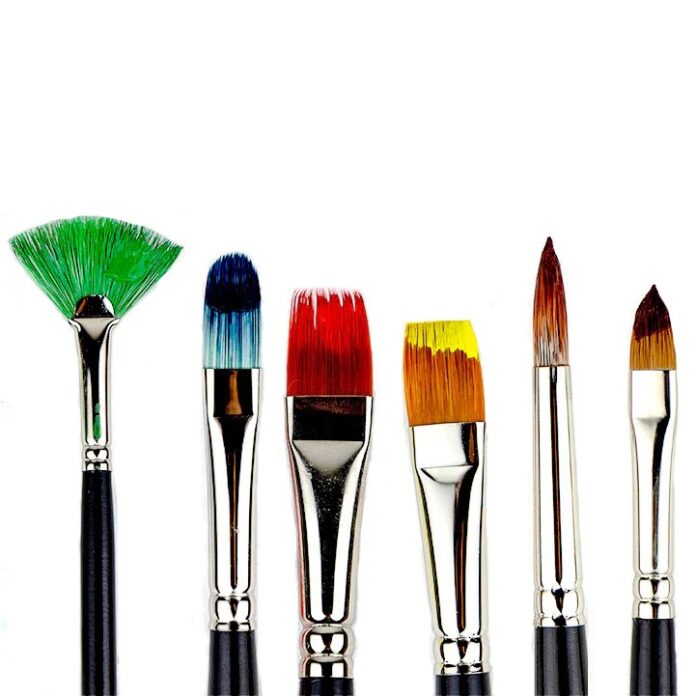
Artist Paint Brushes

Unleashing Creativity: A Guide to Drawing Tools


Art Supply Drawing Tools: Pencils, charcoal, oil pastels, markers, pigment pens, and calligraphy sets.

The act of drawing is fundamental to artistic expression, and the tools you choose can profoundly impact the marks you make and the visions you bring to life. From subtle sketches to bold statements, understanding the characteristics of various drawing implements is key to unlocking their full potential.

Pencils: The Foundation of Form

Pencils are arguably the most ubiquitous drawing tool, offering an incredible range of tones and effects. They consist of a graphite (or charcoal) core encased in wood. Graphite pencils come in varying degrees of hardness, from H (hard, lighter lines) to B (soft, darker lines). Harder pencils are excellent for precise lines, technical drawings, and light sketching, while softer pencils deliver rich, dark tones, broad strokes, and are ideal for shading and expressive work.

Charcoal: Depth and Drama

Charcoal is a transformative medium known for its deep blacks, expressive versatility, and ability to create dramatic contrasts. Made from burnt wood, it comes in several forms: vine charcoal (soft, easily erasable for light sketches), compressed charcoal (harder, for intense darks and bold lines), and charcoal pencils (encased in wood for cleaner handling and control). Charcoal is perfect for capturing gestures, creating broad tonal studies, and adding powerful depth and mood to drawings. It requires a fixative to prevent smudging once the drawing is complete.

Oil Pastels: Creamy Color and Blendability

Oil pastels offer a unique drawing experience, bridging the gap between drawing and painting. Made from pigment mixed with a non-drying oil and wax binder, they have a creamy, buttery consistency that glides smoothly onto surfaces. They deliver vibrant, intense colors and can be blended directly on the paper with fingers, tools, or even solvents to achieve painterly effects. Oil pastels are known for their strong coverage and rich texture, making them excellent for bold color statements, layering, and impasto techniques.

Markers: Bold Lines and Vibrant Hues

Markers provide immediate, intense color and clean, consistent lines. They come in a vast array of types, from alcohol-based markers (known for their vibrant, blendable, and often transparent qualities, popular in illustration and design) to water-based markers (versatile for mixed media and less prone to bleeding). Markers are excellent for bold outlines, crisp details, rapid color fills, and creating graphic effects. Their permanence and lightfastness can vary depending on the pigment type.

Pigment Pens: Precision and Durability

Pigment pens, often referred to as fineliner or technical pens, utilize lightfast, archival, and waterproof pigment-based inks. They are prized for their consistent line quality, rich, opaque color, and durability, making them ideal for detailed linework, cross-hatching, illustration, and outlining. They come in a wide range of nib sizes, from ultra-fine for intricate details to broader tips for more expressive lines, and are a staple for artists who prioritize precision and permanence.

Calligraphy Sets: The Art of Beautiful Writing

Calligraphy sets are dedicated to the artistic creation of beautiful lettering and expressive lines. Typically, a set includes various nibs (metal points with different shapes that attach to a pen holder) and inks. Nibs can be broad-edged for formal scripts, pointed for fine, flexible lines, or specialized for decorative flourishes. Calligraphy is about control, rhythm, and the graceful interaction of ink and paper, allowing artists to explore text as a visual art form, from elegant formal scripts to dynamic, gestural marks.

Each of these drawing tools offers a distinct character and expressive potential. Experimenting with them will expand your artistic vocabulary and help you discover the perfect medium to translate your creative ideas onto paper or other surfaces.


Art Licensing: Selling Out, Buying In, and the Beautiful Mess In Between

Art Coach, Art Miami Magazine
afael Montilla - Queen Moremi 2

Art Licensing: Selling Out, Buying In, and the Beautiful Mess In Between
by a critic who’s seen too many white walls and not enough wild ideas

Let’s be honest: “art licensing” sounds like the kind of phrase that makes MFA grads flinch and gallery purists clutch their pearls. It conjures images of your painting slapped on tote bags, T-shirts, tea towels. The horror! But here’s the truth no one wants to admit: art licensing isn’t selling out — it’s buying in. To life. To survival. To reach. To letting your work breathe outside the white cube.

Art licensing is what happens when your creativity packs a bag, jumps the fence of the art world, and starts flirting with the world of products, people, and actual public presence. It’s not lesser. It’s not cheating. It’s art doing what it’s always done best: migrating, mutating, multiplying.

From Sacred to Scalable — And That’s Okay

If your work lives only in the sanctified silence of the gallery, how much life is it actually touching? Art licensing blows open that door. You want resonance? Try 10,000 people living with your visual language every day — seeing it, wearing it, spilling coffee on it. That’s not a compromise. That’s infiltration.

Artists like Warhol, Barbara Kruger, Takashi Murakami — they didn’t just license art. They turned reproduction into revolution. They played with scale, value, and reach. Licensing can be conceptual. It can be tactical. It can be survival. The starving artist is a romantic myth that capitalism loves to sell you — just enough to keep you broke and quiet. Don’t fall for it.

Is It Still “Art” If It’s On a Shower Curtain?

Yes. A thousand times yes.

Art doesn’t lose meaning when it gains function. That’s an outdated hangover from the gatekeeping days. The truth is, the more accessible your work becomes, the more impact it can have. Imagine someone falling in love with a piece because they saw it on a notebook — and then tracing it back to your larger body of work. That’s a gateway. That’s ecosystem-building. That’s planting a flag in a thousand tiny hearts and minds.

And let’s be real: your soul isn’t being stolen because your abstract triptych now lives on a yoga mat. If the work is real, if it’s rooted in intention, that energy travels — whether it’s framed behind plexiglass or folded into someone’s daily ritual.

Art Licensing Is Not a Dirty Word — It’s a Strategy

Licensing is not the enemy of authenticity. It’s just a different game. A different muscle. A different way to occupy space. The key? Do it on your terms. Protect your work. Know your rights. Negotiate like your life depends on it — because your art’s longevity might.

Pick partners that get it. That respect your practice. That elevate, not dilute. And remember: you’re not diluting your message by letting it spread. You’re making it stronger. Stickier. Unignorable.

So Go Ahead — Be Everywhere

Let your work live in a gallery, and on a billboard. In a museum, and on a mug. In silence, and in noise. Let it whisper and shout. Let it be sacred and profane. That’s the real flex.

Because here’s the kicker: the art world is changing. The walls are thinner, the borders blurrier. Licensing isn’t selling out. It’s scaling up. It’s showing up. It’s staying alive

David Hume: Architect of Skepticism and the Scottish Enlightenment

David Hume
David Hume

David Hume: Architect of Skepticism and the Scottish Enlightenment

David Hume (1711–1776) stands as a towering figure of the Scottish Enlightenment, renowned as a philosopher, historian, and essayist whose groundbreaking ideas reshaped Western thought. His intellectual legacy is deeply rooted in an unwavering commitment to scientific methods and empirical observation, challenging the prevailing philosophical norms of his era.

Hume was a central proponent of empiricism, asserting that all knowledge ultimately derives from experience. He famously scrutinized the foundations of human understanding, particularly concepts like causality and induction, arguing that our belief in them stems from habit and psychological association rather than logical necessity. These innovative theories laid critical groundwork for future philosophical and scientific inquiry.

A prominent member of the Scottish Common Sense School of Philosophy, Hume applied his rigorous skepticism not only to abstract philosophical speculation but also to what he perceived as the fanaticism inherent in political and religious ideologies. His most famous work concerning religion, “Dialogues Concerning Natural Religion,” posthumously published, meticulously deconstructs arguments for God’s existence based on design or natural theology, showcasing his characteristic critical approach.

Hume’s profound influence extended beyond epistemology and religion to political theory, where he advocated for practical governance rooted in human nature and experience, rather than abstract ideals. His writings continue to provoke thought and debate, solidifying his position as one of history’s most influential and controversial philosophers.

https://plato.stanford.edu/entries/hume/

https://iep.utm.edu/humemora/

https://en.wikipedia.org/wiki/David_Hume

https://www.cambridge.org/core/books/humes-dialogues-concerning-natural-religion/E2280518E3358D9217B805DEE37BC2E8

https://www.psychofuturia.com/david-humes-philosophy-theory-god-solipsism/

https://societytoday.org/gone-but-not-forgotten-david-hume/#:~:text=His%20political%20and%20economic%20ideas,on%20religion%20continues%20to%20be

Launch Your Art Career: Opportunities as a Gallery Assistant Intern

Opportunities as a Gallery Assistant Intern

Launch Your Art Career: Opportunities as a Gallery Assistant Intern

Miami is home to a thriving gallery scene, with countless spaces always looking for passionate Gallery Assistant Interns.
It’s the perfect chance to gain real-world experience and build valuable connections in the vibrant art world.

For recent college graduates passionate about the art world, a Gallery Assistant Intern position offers an invaluable gateway into the dynamic realm of contemporary art and gallery management. This role is a prime opportunity to gain hands-on experience, build essential skills, and forge connections within the industry.

A Gallery Assistant Intern plays a crucial role in supporting the daily operations and exhibition programming of an art gallery. Responsibilities typically span a wide range of tasks, providing a holistic understanding of how a gallery functions. Interns often support day-to-day operations, handling administrative duties and engaging directly with visitors, which is vital for developing interpersonal skills within a professional setting. They also assist in maintaining meticulous gallery records, including artist biographies, artwork inventory, and critical sales documentation – tasks that underscore the business side of the art world.

Beyond administrative duties, interns frequently assist with event planning for exhibition openings, artist talks, and special programming, offering direct exposure to the curatorial and promotional aspects of a gallery. The role may also involve conducting research on artists, collectors, and broader industry trends, alongside managing email correspondence and social media updates.

Ideal candidates are recent college graduates with a degree or background in Art, Art History, Museum Studies, or a related field. A genuine passion for contemporary art and a keen interest in gallery operations are paramount. Strong organizational and multitasking skills are essential for navigating a fast-paced environment, complemented by excellent communication and interpersonal abilities. Interns must be capable of working both independently and collaboratively. Practical requirements often include having a laptop or tablet for tasks and being available for a minimum of 10 hours per week. Experience with software like Microsoft Office or design programs (Adobe Suite, Canva) is often a significant plus.

This internship is designed to offer hands-on experience in the inner workings of a contemporary art gallery. It provides valuable exposure to artists, collectors, and the art market, offering practical insights that classroom learning alone cannot provide. Depending on the gallery, a stipend or academic credit may be available.

For those eager to dive into the art world and build a foundational understanding of gallery operations, this internship serves as an exceptional launching pad. To apply, prospective candidates are typically asked to send their resume and a brief cover letter explaining their interest in the role to the gallery.

RESPONSIBILITIES

  • Support day-to-day gallery operations, including administrative tasks and visitor engagement.
  • Help maintain gallery records, including artist bios, artwork inventory, and sales documentation.
  • Assist with event planning for openings, artist talks, and special programming.
  • Conduct research on artists, collectors, and industry trends.
  • Manage email correspondence and update social media accounts as needed.
  • Manage social media updates as needed.
  • Create content for social media and capture high-quality photos of artworks and events using a smartphone.

QUALIFICATIONS

  • Recent college graduate with a degree or background in Art, Art History, Museum Studies, or a related field.
  • Passion for contemporary art and interest in gallery operations.
  • Strong organizational and multitasking skills with attention to detail.
  • Excellent communication and interpersonal skills.
  • Ability to work independently and collaboratively in a fast-paced environment.
  • Must have a personal laptop or tablet for completing tasks.
  • Must be available to work a minimum of 10 hours per week.
  • Familiarity with Microsoft Office; experience with design software (Adobe Suite, Canva) is a plus.

This internship offers hands-on experience in the inner workings of a contemporary art gallery, providing valuable exposure to artists, collectors, and the art market. A stipend or academic credit may be available.

Exploring the Vision and Vitality of the Museum of Contemporary Art North Miami

MOCA Museum Miami
MOCA Museum Miami

Exploring the Vision and Vitality of the Museum of Contemporary Art North Miami

By AMM

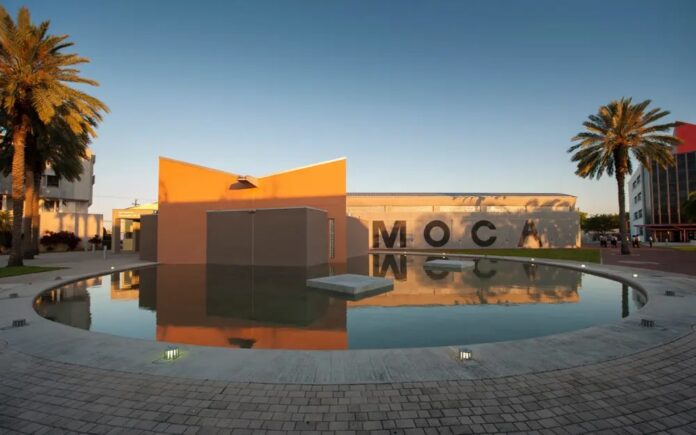
Tucked into the heart of North Miami at 770 NE 125th Street, the Museum of Contemporary Art North Miami (MOCA) has become a dynamic cultural anchor in South Florida’s artistic landscape. Under the visionary leadership of Executive Director Chana Sheldon, MOCA continues to thrive as a vital platform for innovative contemporary art, community engagement, and curatorial excellence.

A Hub for Contemporary Creativity

Founded with the mission to make contemporary art accessible to diverse audiences, MOCA presents cutting-edge exhibitions that highlight both emerging and internationally acclaimed artists. The museum is recognized for its bold curatorial choices that often reflect pressing cultural, political, and social issues of our time.

MOCA has exhibited works from globally renowned artists such as Tracey Emin, Bill Viola, and Wangechi Mutu, while also championing rising voices and local talent. Its rotating exhibitions provide fresh, thought-provoking experiences that challenge traditional boundaries of art and encourage meaningful dialogue.

Education and Community Engagement

Beyond exhibitions, MOCA is deeply committed to education and community programming. The museum offers a rich slate of initiatives including artist talks, family workshops, public lectures, and the popular MOCA Teen Art Force—a youth development program designed to empower teens through art education and professional mentorship.

MOCA’s free admission days, outreach efforts, and collaborative partnerships with local schools and organizations have helped foster an inclusive environment where art becomes a bridge for community connection and personal expression.

Leadership and Vision

Since stepping into her role, Chana Sheldon has reinvigorated MOCA with a sharp curatorial focus and an expanded community vision. Her leadership has positioned the museum not only as a premier art destination in Miami-Dade County, but also as a progressive institution responsive to the cultural rhythms of the city.

With Sheldon at the helm, MOCA has also broadened its institutional support, securing vital funding and cultivating relationships that will ensure its sustainability and growth well into the future.

Plan Your Visit

Visitors to MOCA can expect a welcoming, intellectually stimulating environment where contemporary art is celebrated in all its forms—from visual installations and performance art to sculpture and digital media. Admission is affordable, parking is convenient, and the museum’s location places it in close proximity to North Miami’s growing arts and culinary scenes.

  • Address: 770 NE 125th St, North Miami, FL 33161
  • Phone: (305) 893-6211
  • Website: https://mocanomi.org
  • Hours: Check the website for current hours, events, and special exhibitions.

Whether you’re an art enthusiast, a curious traveler, or a local resident looking to engage with the arts, the Museum of Contemporary Art North Miami offers a space where creativity flourishes and conversations begin.

¿Quieres tener presencia en Miami durante la temporada de Miami Art Week y Art Basel Miami Beach 2025?

¿Eres un artista latinoamericano buscando una visibilidad sin precedentes en el epicentro global del arte?

¡Impulsa tu Presencia en Miami Art Week y Art Basel 2025!

¿Eres un artista latinoamericano buscando una visibilidad sin precedentes en el epicentro global del arte? Art Miami Magazine te ofrece una oportunidad única para obtener representación y destacar tu obra durante la efervescente temporada de Miami Art Week y Art Basel 2025.

Sabemos que la Miami Art Week, del 1 al 7 de diciembre de 2025, es el momento clave para cualquier artista que aspire a ser visto, reconocido y valorado. Es la plataforma ideal para conectar con curadores, coleccionistas y galeristas de todo el mundo. Ahora, gracias a Art Miami Magazine, tu arte latinoamericano puede resonar en este escenario internacional.

Al ser seleccionado, tu trabajo no solo será parte de una plataforma de alta calidad, sino que te beneficiarás de la credibilidad y el alcance de una publicación dedicada a destacar el talento emergente y establecido.

¿Cómo participar? El proceso es sencillo y accesible: el costo de participación es de solo $450 por página completa, y este monto se aplica únicamente si tu eres seleccionado. No pierdas esta valiosa oportunidad de poner tu arte bajo los reflectores.

La fecha límite para aplicar es el 30 de septiembre de 2025.

¡Aplica ya! Visita Artmiamimagazine.com o envía un correo electrónico a [email protected] para asegurar tu lugar en uno de los eventos artísticos más importantes del calendario global.

    Art Miami Magazine se distribuirá en estas ferias clave, asegurando una visibilidad máxima.

    Más allá de los eventos principales, Miami Art Week se transforma en una vibrante constelación de ferias satélite. Cada una de estas ferias ofrece una personalidad distintiva y un enfoque especializado, brindando oportunidades inigualables para el descubrimiento artístico y atendiendo a nichos específicos del mercado del arte.

    • photoMIAMI™ (del 5 al 7 de diciembre de 2025, The Miami Art Week Gallery, 2300 N. Miami Avenue) es la única feria centrada exclusivamente en la fotografía, perfecta para entusiastas y coleccionistas.
    • AfriKin Art Fair (del 1 al 7 de diciembre de 2025, Maison AfriKin, North Miami) celebra el arte y la cultura africanos y de la diáspora, con una Apertura VIP el 30 de noviembre.
    • Aqua Art Miami (del 3 al 7 de diciembre de 2025, Aqua Hotel, Miami Beach) es conocida por su ambiente íntimo y su enfoque en artistas emergentes y de media carrera.
    • Design Miami (del 2 al 7 de diciembre de 2025, Convention Center Drive & 19th Street, Miami Beach) es el foro global para el diseño coleccionable, que se lleva a cabo simultáneamente con Art Basel.
    • INK MIAMI Art Fair (del 3 al 7 de diciembre de 2025, Suites of Dorchester, Miami Beach) es una feria especializada que se centra exclusivamente en obras contemporáneas sobre papel.
    • NADA Miami Art Fair (del 2 al 6 de diciembre de 2025, Ice Palace Studios) es celebrada por su enfoque fresco y experimental, presentando nuevos marchantes de arte y artistas emergentes.
    • Pinta Miami (del 4 al 7 de diciembre de 2025, The Hangar in Coconut Grove) sigue siendo una plataforma líder para el arte moderno y contemporáneo latinoamericano.
    • Red Dot Miami y Spectrum Miami (ambas del 3 al 7 de diciembre de 2025, en Mana Wynwood) ofrecen amplias exhibiciones de arte contemporáneo, conocidas por sus presentaciones accesibles y diversas.
    • SCOPE Miami Beach (del 2 al 7 de diciembre de 2025, 801 Ocean Drive, Miami Beach) es una feria popular conocida por su ambiente vibrante y su enfoque en el arte y la cultura contemporáneos.
    • Satellite Art Fair (del 4 al 7 de diciembre de 2025, en Collins Avenue, junto a Aqua) a menudo proporciona una plataforma para proyectos alternativos y experimentales.
    • UNTITLED Art, Miami Beach (del 3 al 7 de diciembre de 2025, Ocean Drive & 12th Street, Miami Beach) es una feria aclamada que presenta una selección curada de galerías internacionales y organizaciones sin fines de lucro.
    • Más allá de estas, mantente atento a las fechas por confirmar para ferias como Art Beat Miami, Fridge Art Fair, Miami River Art Fair y No Vacancy, Miami Beach, que diversifican aún más las ofertas de la semana.

    Pinta Miami 2025: Tu Plataforma para el Arte Latinoamericano en el Epicentro Global

    ¡Artistas latinoamericanos! Si buscan proyectar su obra en un escenario internacional de prestigio, Pinta Miami es una cita ineludible. Del 5 al 8 de diciembre de 2025, esta feria especializada en arte moderno y contemporáneo latinoamericano celebrará su 18ª edición en el emblemático Hangar de Coconut Grove (3385 Pan American Drive, Coconut Grove, Miami FL 33133), un espacio histórico cuyo diseño, a cargo del arquitecto Daniel Ricardo Fischer, está pensado para potenciar la experiencia del público y las obras exhibidas.

    Nacida en Nueva York en 2007, Pinta se ha consolidado como un puente vital entre la riqueza artística de Latinoamérica y el mercado global del arte, ofreciendo secciones curadas con enfoques específicos:

    • Radar: Bajo la curaduría de Irene Gelfman, esta sección explora las propuestas más innovadoras de artistas contemporáneos.
    • Next: Giuliana Vidarte está a cargo de este espacio dedicado a destacar galerías emergentes de América Latina, brindando una plataforma crucial para el nuevo talento.
    • Foro: También coordinado por Giuliana Vidarte, este segmento ofrece un ciclo de conversaciones y debates profundos sobre temas relevantes del arte contemporáneo, fomentando el intercambio de ideas.

    Además de la experiencia presencial, Pinta amplía su alcance a través de su plataforma digital Media Point, que ofrece contenido audiovisual exclusivo, incluyendo “Live Talks” y “Open Files” con recorridos virtuales y entrevistas a artistas.

    Esta es tu oportunidad de formar parte de un evento que celebra y visibiliza la potencia del arte latinoamericano.

    Horarios de la feria:

    • Jueves 5 de diciembre: 3:00 p.m. a 8:00 p.m.
    • Viernes 6 y Sábado 7 de diciembre: 12:00 p.m. a 8:00 p.m.
    • Domingo 8 de diciembre: 12:00 p.m. a 6:00 p.m.

    ¡Prepárense para conectar, inspirarse y mostrar su visión al mundo en Pinta Miami 2025!

    Galería Azur Miami Presents: SET 003 – A Bold New Collective Exhibition

    Galería Azur Miami Presents: SET 003 – A Bold New Collective Exhibition
    Galería Azur Miami Presents: SET 003 – A Bold New Collective Exhibition

    Galería Azur Miami Presents: SET 003 – A Bold New Collective Exhibition

    Exhibition Opening: Friday, June 27 at 6 PM
    On View: June 27 – July 27, 2025
    Location: JW Marriott Marquis, 255 Biscayne Blvd Way, Miami, FL 33131

    MIAMI, FL – Galería Azur Miami is proud to announce the opening of SET 003, a dynamic new group exhibition showcasing the works of twelve emerging and established contemporary artists from around the globe. The opening reception will take place on Friday, June 27 at 6 PM, inviting collectors, curators, and art enthusiasts to experience a night of vibrant expression and creative dialogue.

    Participating Artists:
    Ashton Lally · Federico Vezzaro · Helen Kagan · Jonahna Bendyna · John Bacon · Juliana Ferreyros · Lotti Cojart · Marcos Levy Cohen · Paula Blascke · Roxy Sora · Sima Baher · Veronica Viedma

    From abstract expressionism to conceptual forms, the works in SET 003 explore the power of visual language across diverse mediums, inviting viewers to engage with both personal and universal narratives. This month-long exhibition is a curated journey into the aesthetic and emotional landscapes crafted by these visionary artists.

    EVENT DETAILS:
    Opening Reception: Friday, June 27, 2025 | 6 PM
    Exhibition Dates: June 27 – July 27, 2025
    Venue: Galería Azur Miami at JW Marriott Marquis
    Address: 255 Biscayne Blvd Way, Miami, FL 33131

    Admission is free and open to the public.
    To inquire about artworks, request a catalog, or RSVP to the opening, please visit: www.galeriaazur.art or email [email protected].

    Follow the Artists:
    @ashtonlallyart · @federico.vezzaro_art · @helenkaganarts · @joanna_bm_3d_acrylic_art · @baconabstractart · @julianaferreyros_art · @lotti.art · @levymarcos · @roxysoraartist · @simabaher_arte · @veronicaviedma_art

    GALERÍA AZUR MIAMI
    Where global creativity meets contemporary vision.

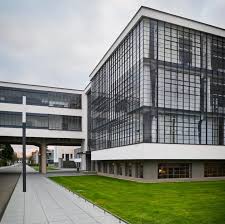
    Beyond Form and Function: The Unexpected Echoes of the Bauhaus in Chopin

    The Unexpected Echoes of the Bauhaus in Chopin
    The Unexpected Echoes of the Bauhaus in Chopin

    Beyond Form and Function: The Unexpected Echoes of the Bauhaus in Chopin

    A recent discussion effectively captured the revolutionary impact of the Bauhaus movement on design, emphasizing its pursuit of functionality and simplicity. However, it’s worth exploring further the underlying spiritual dimension and the quest for a new way of life that fueled many of the Bauhaus ideals. For figures like Kandinsky and Klee, the Bauhaus was more than just a source of beautiful, useful objects; it was a site for the deep exploration of form, color, and space as vehicles for expressing transcendental, almost spiritual, ideas. Kandinsky’s lyrical abstraction, for example, sought to evoke inner emotions and resonances through pure visuality, transcending mere utility.

    Beyond the focus on individual artistry, the intense community and the sense of a social renaissance within the Bauhaus deserve greater attention. The Bauhaus was a melting pot of ideas, at times chaotic, where students and teachers lived and worked in close proximity, experimenting not only with art but also with novel forms of communal living. This pursuit of a “total work of art” extended to life itself.

    This exploration might prompt the question: “What does all this have to do with Frédéric Chopin?”. Initially, the connection between a 19th-century Polish composer and a 20th-century German design school might seem tenuous. Yet, a closer examination reveals some striking parallels.

    Similar to how the Bauhaus sought essence and purity in form and design, Chopin pursued the purest form of emotional expression through music. In his nocturnes, mazurkas, and preludes, each note appears meticulously chosen to evoke a specific atmosphere, stripped of unnecessary embellishments. There’s an emotional functionality in his music; every melody, every harmony, serves to express profound feeling.

    Furthermore, mirroring the Bauhaus artists’ exploration of the inherent possibilities of their materials, Chopin innovatively explored the expressive capabilities of the piano. He experimented with new harmonies, rhythms, and the instrument’s sonority to forge a unique and evocative musical language.

    In conclusion, despite their vastly different contexts, both the Bauhaus and Chopin’s music aspired to a form of universality. The clean, functional design of the Bauhaus aimed to be accessible and comprehensible to all, while the emotional intensity of Chopin’s music transcends cultural and linguistic barriers, resonating directly with the listener’s heart.

    MUSEO “QHIPUKAMAYOC”

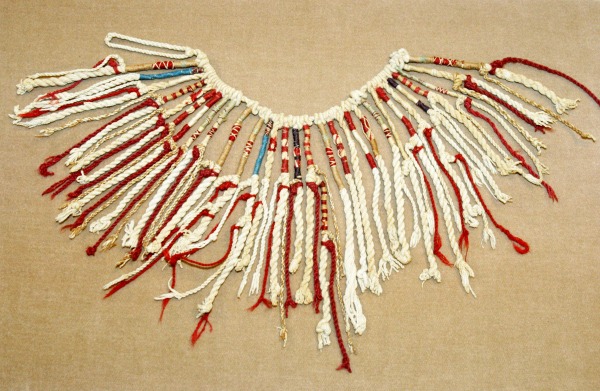
    Khipu
    Khipu.

    MUSEO “QHIPUKAMAYOC”

    El Museo Qhipukamayoc, ubicado en el distrito de Pisac, CU-112 112, Cusco 08105, Peru, ofrece una fascinante exposición dedicada a los quipus y las yupanas, herramientas fundamentales para la contabilidad y la organización en el Tahuantinsuyo. A través de su recorrido, comprenderemos su uso en la sociedad inca y nos adentraremos en la riqueza del pensamiento andino. Sin duda, es un espacio único que nos invita a descubrir y revalorar este legado ancestral, y que merece ser visitado por todos.

    A unos 30 km del Cusco, en el corazón del Valle Sagrado de los Incas, se encuentra el poblado de Pisac, un enclave que no solo es notable por su belleza, sino también por su riqueza histórico-cultural. El Parque Arqueológico de Pisac constituye uno de los centros ceremoniales y administrativos más importantes del mundo andino, testimonio del sofisticado orden social, espiritual y político que estructuraba la civilización inca.

    En la comunidad de Cuyo Chico, en dirección al parque arqueológico, se halla el Museo Kipucamayoq. Este espacio es clave para comprender los sistemas de registro y transmisión de información en los Andes prehispánicos. La exposición que alberga permite aproximarse a los kipus y yanas —instrumentos que, mucho más que simples contadores, constituyen una manifestación del pensamiento andino, su memoria colectiva y su estructura social—.

    Khipu: El “Nudo” que Tejía el Imperio Inca

    Imagina un sistema de escritura tan ingenioso que no necesitaba tinta ni papel, y que podía ser transportado con la facilidad de un ovillo de lana. Así era el khipu, una palabra quechua que significa precisamente “nudo”. Este antiguo vocablo nos da la clave de uno de los métodos de registro y comunicación más fascinantes de la historia: un sistema de cordeles anudados mediante el cual la vasta civilización inca tomaba nota de todo tipo de información.

    Los khipus eran, en esencia, archivos de información portátiles. A través de la compleja disposición, tipos y colores de los nudos en sus cuerdas, los incas registraban desde censos de población y conteos de cosechas hasta quizás narrativas históricas o leyes. Cada nudo, cada giro, cada cuerda de color, tejía una parte del conocimiento de un imperio sin una escritura alfabética. Este sistema, tan simple en su materialidad como complejo en su codificación, es un testimonio asombroso de la capacidad humana para organizar y preservar la información, y aún hoy, sigue revelando los secretos de una de las grandes civilizaciones andinas.

    Desde hace tres años, el museo ha centrado su investigación en los diversos instrumentos que la élite administrativa inca empleaba para gestionar el vasto Tahuantinsuyo. La curaduría incluye materiales que formaban parte de la educación en los yachayhuasis, espacios de instrucción destinados a los hijos de la nobleza, donde no solo se aprendía a gobernar, sino también a comprender las relaciones entre economía, sociedad y cosmos a través del kipu y la yupana.

    Los kipus, elaborados con cordones de diversos colores y complejos nudos, constituían un sistema semiótico que codificaba datos numéricos y narrativos. La gama cromática —carmesí para el Inca, pardo para la nobleza, morado para los curacas, blanco para la plata y verde para la esmeralda— servía para clasificar los ámbitos sociales y naturales que sostenían la economía y la cosmología andina. Así, los kipus funcionaban como registros contables y, a la vez, como dispositivos simbólicos que daban cuenta de censos, recursos mineros, rebaños de camélidos y más, entrelazando lo cuantitativo y lo cualitativo.

    Complementaria a los kipus, la yupana —un ábaco andino que opera mediante semillas o guijarros dispuestos en un patrón geométrico— permitía realizar cálculos aritméticos que sustentaban la organización administrativa del Imperio. Cada color (rojo para decenas, verde para unidades, azul para centenas y negro para millares) facilitaba comprender visualmente los sistemas numéricos que rigieron las transacciones económicas y sociales del mundo incaico.

    Los visitantes del museo tienen la oportunidad de interactuar con reproducciones fieles de estos dispositivos. Por ejemplo, mediante la yupana se les invita a resolver ejercicios que ilustran la suma de poblaciones o recursos entre comunidades, tal como habría hecho un kipucamayoq para mantener al día los inventarios de su ayllu o región. De este modo, no solo se entiende la técnica, sino que también se accede a una forma particular de percibir y organizar el tiempo, el trabajo y los recursos en los Andes.

    Asimismo, la exposición muestra cómo los chasquis —corredores del Imperio— llevaban kipus como parte de su equipamiento para transmitir información cifrada entre los diversos suyos, utilizando un lenguaje numérico y cromático estandarizado. Una escena emblemática es la que representa Guamán Poma de Ayala, en la que un kipucamayoq rinde cuentas a una autoridad inca, subrayando el rol central del kipu como herramienta de gobernanza y memoria histórica.

    Finalmente, el museo también incluye una colección de chaquitacllas y otras herramientas agrícolas, que dan cuenta del profundo conocimiento ecológico que los pueblos andinos desarrollaron para cultivar en una geografía tan desafiante. Por todo ello, la visita al Museo Kipucamayoq es una invitación a comprender los logros técnicos y simbólicos que sostuvieron a una sociedad capaz de integrar vastos territorios y diversos pueblos a partir de una red de saberes profundamente interconectados.

    En suma, el recorrido por este museo permite revalorar la herencia cultural andina en su dimensión más profunda, como una tradición viva que invita a reflexionar sobre los sistemas de conocimiento que hicieron posible la expansión y cohesión del Tahuantinsuyo.

    Beyond the Canvas: The Visionary World of Lara Gallardo

    Lara Gallardo
    Lara Gallardo

    Lara Gallardo: Art as a Journey of Inspiration and Impact

    Lara Gallardo is a multidisciplinary artist from San Juan, Puerto Rico, who has called Miami home since 2008. A Parsons School of Design alumna, she seamlessly fuses classical artistry with contemporary vision, creating vibrant works that reflect her deep connection to nature, spirituality, and culture. Drawing on decades of creative practice spanning fine art, design, fashion, and healing, Gallardo’s art is imbued with color, movement, and meaning.

    Currently, she’s working on a powerful series of 30 large-scale paintings inspired by the Everglades—an ambitious project that celebrates the environment and explores humanity’s role in preserving it. Her diverse career also includes a successful fashion label worn by celebrities and featured in major media. With a life dedicated to creativity and holistic expression, Gallardo continues to craft a legacy that bridges art, design, sustainability, and spirituality.

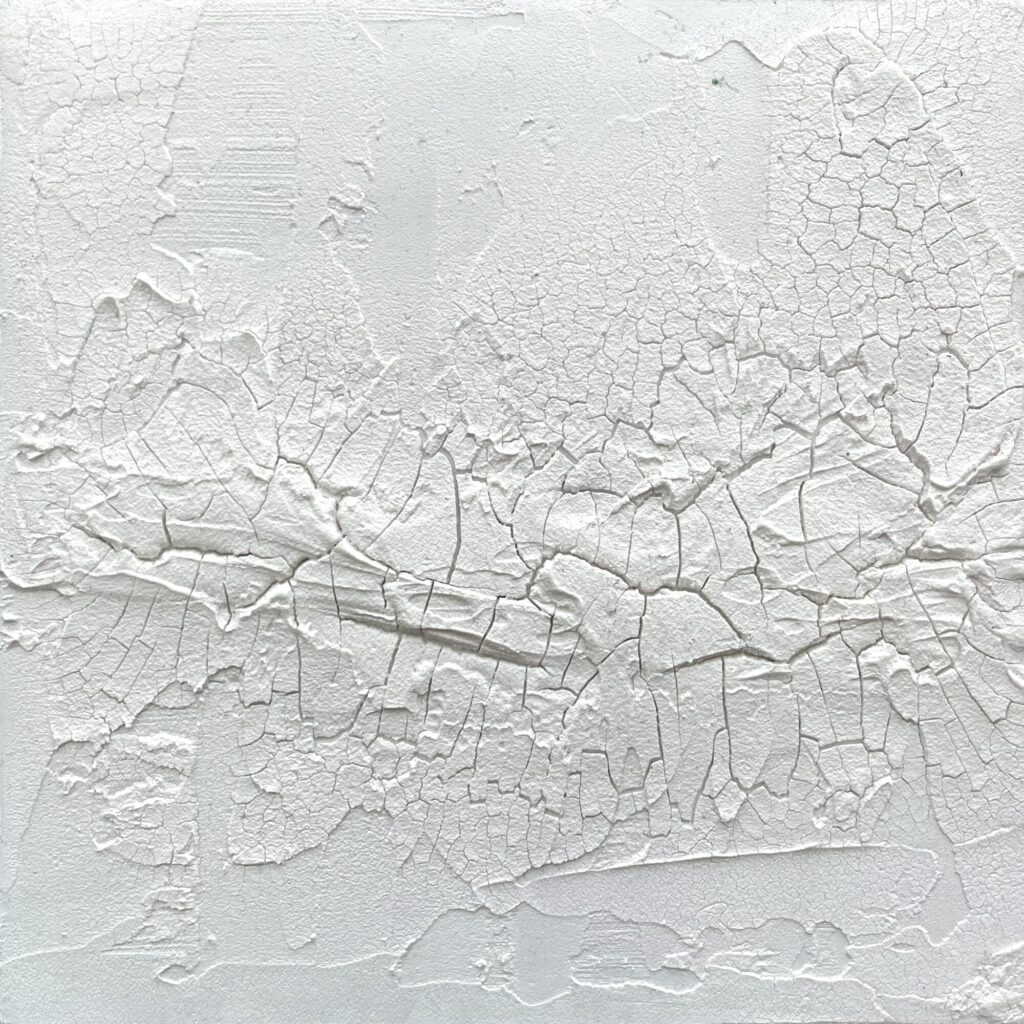
    AMM. Your paintings channel everything from the cracked skin of the Everglades to the vibrations of the unseen—what’s guiding your hand: memory, muscle, or some other kind of frequency entirely?

    LG. When I paint, I am not led by memory or muscle alone — I surrender to a frequency that feels like a living current. It’s part Earth, part cosmos. Sometimes it hums like a pulse; other times it’s almost like a whisper in my heart. I try to quiet the mind enough to become a vessel for it — not to control it, but to follow where it wants to go. The cracked skin of the Everglades, the movement of clouds, the vibration of unseen energies — all of it moves through me, not from me. As they say, we are all part of it all. I, like a camera, absorb this living consciousness and express its beauty and form on the canvas. 

    AMM. You talk about unveiling the unseen—vibrations, universal connections, quantum whispers. How do you know when a piece has said enough without explaining too much?

    LG. A painting tells me when it no longer needs my interference — when the frequency feels intact, and the breath of the piece can exist without me forcing it to “make sense.” It’s a deep listening.  If I overwork it, you can see it on the canvas; it feels heavy. When I honor that edge — that space where the unseen still shimmers through — the painting can remain open enough for others to step inside without being told what to find. There lives the inner alchemy. 

    AMM. With so many lives lived—fashion, acting, spiritual healing, visual art—how do you keep your artistic voice from becoming a collage of identities rather than a clear channel? Or is collage the point?

    LG. I used to think I needed to choose, to streamline. But now I see that the collage is the point — every incarnation has honed a different sense: the tactile, the emotional, the energetic, the visual. Instead of fragmenting me, they all feed the same river. My work isn’t about stitching these identities together; it’s about trusting that the river knows where it’s going, even when it carries many currents at once.

    AMM. Is abstraction your language of liberation? Or do you ever feel pulled toward the figurative as a way to tether the divine to something recognizably human?

    LG. Abstraction is the most honest language I know. It allows me to speak the unspeakable, to give form to frequencies that don’t have human faces. That said, I am sometimes tempted toward the figurative — which I am very well versed in. I love it. Now I see beyond the obvious. A figure might appear like a vapor, a trace — not to anchor the divine to a body, but to remind us that spirit once wore skin, and memory still wears light. Light is everything, its information. 

    AMM. Your current work focuses on the Everglades—a kind of ecological soul-mirror. What are you hoping people feel when they stand in front of one of those massive canvases? Awe? Guilt? Reverence? Reckoning?

    LG. I hope they feel a kind of holy remembering — awe, yes, but also tenderness. I hope they feel the Everglades inside themselves, not as a place “out there” but as something that has always lived with us through time.  If guilt arises for not taking care of our ecosystem, let it crack open into action; if reverence arises, let it deepen into guardianship of this body. The Everglades are not asking for pity — they are asking for intimacy, for presence, for a reckoning that leads to rebirth.

    Page 105 of 291
    1 103 104 105 106 107 291